
Nepal’s automotive landscape is witnessing an intense EV Battle, with Chinese powerhouse BYD and Indian giant Tata Motors vying for dominance. As electric vehicle adoption soars, these two brands are at the forefront of transforming mobility in the Himalayan nation.
Market Share Breakdown
In the fierce EV Battle, Tata Motors holds approximately 38% of Nepal’s electric car market, while BYD commands around 32%. Other brands like MG, Neta, and Seres trail behind but collectively contribute to the country’s dynamic EV ecosystem.
These figures underscore how Tata and BYD define the EV Battle, influencing both consumer choice and industry trends.
Recent Import Dynamics
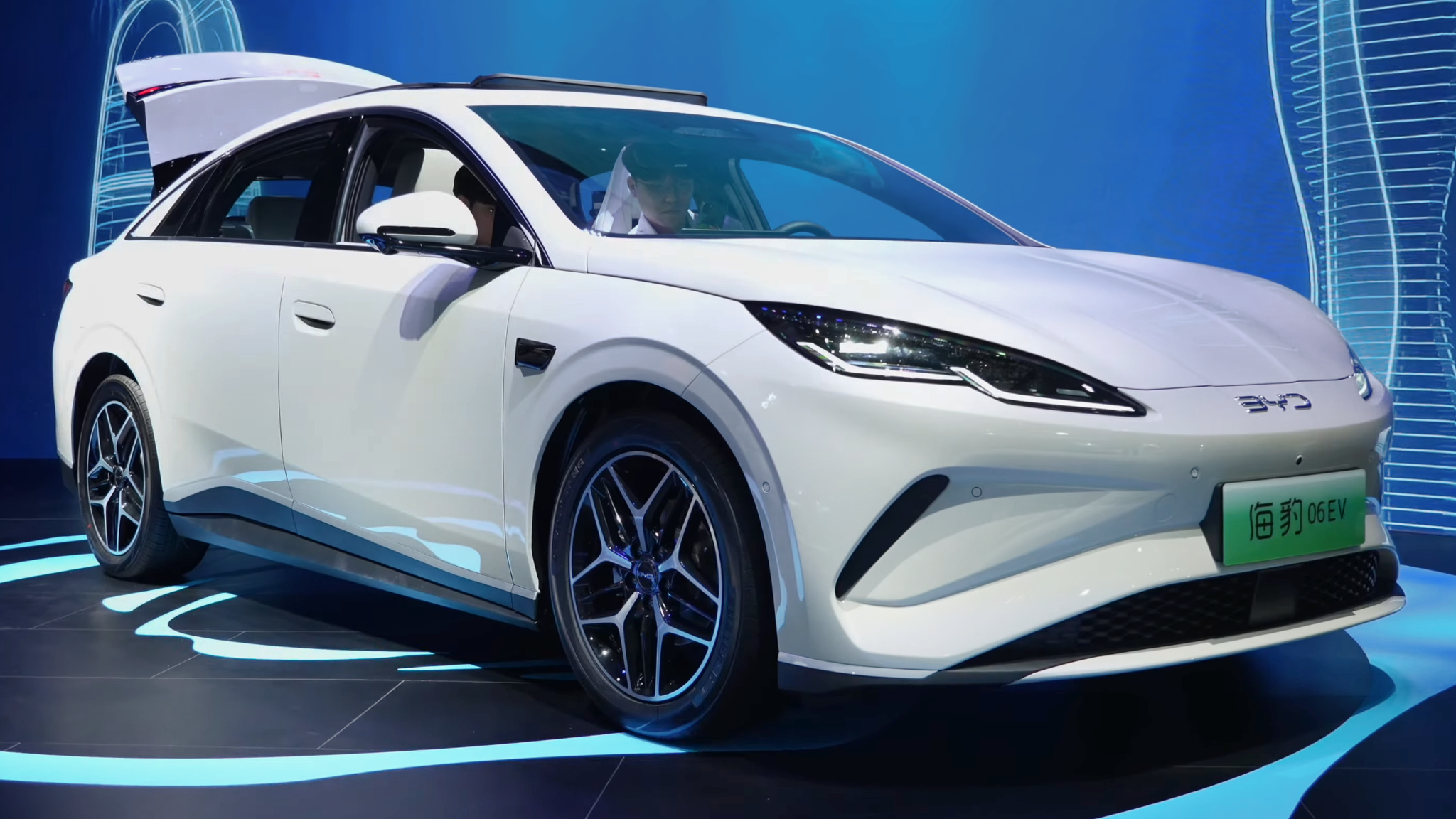
Recent import data reveals that in a key month, BYD led with 202 units, primarily Dolphin and M6 models, while Tata followed with 187 vehicles—including Punch EV and Express-T models. This highlights the ongoing EV Battle in terms of volume and model preferences.
Drivers Behind the Competition
Incentives and Infrastructure
The EV Battle between BYD and Tata is fueled by supportive policies, abundant hydropower (delivering clean electricity), and expanding charging networks. Nepal has installed hundreds of charging stations, and plans aim to double that, making EV ownership more practical and attractive.
Consumer Preferences
Customers often choose Tata for reliability, service network strength, and familiarity, while BYD appeals with advanced features, range, and modern styling. This duality drives the EV Battle forward as each brand captures different segments of buyer demand.
What’s at Stake in the EV Battle
Economic and Environmental Impact
As part of the EV Battle, both brands contribute to slashing Nepal’s oil import costs and improving air quality. Lower import taxes, favorable financing, and strong EV adoption targets accelerate this shift toward clean mobility.
Long-Term Momentum
BYD and Tata are pursuing growth through new model launches, improved dealership networks, and tech-packed offerings. Both see potential not just in private cars, but also in electrifying public transport—part of the broader EV Battle shaping Nepal’s clean-transport future.
Platforms like Asia Car Group’s portal help potential buyers and fleet operators explore which EV Battle contenders best suit their needs.
Who’s winning the EV Battle in your eyes—Tata's trusted network or BYD's tech-savvy value? Share your experiences, preferences, or thoughts in the comments below—your view is key in this electrifying journey!