
Nepal's spectacular mountain roads offer unforgettable driving experiences, but they also demand extra caution, especially when descending steep hills. Long downhill stretches can place tremendous stress on your vehicle's braking system, increasing the risk of brake fade and reduced stopping power. Understanding Brake safety Nepal is essential for protecting your vehicle, improving road safety, and ensuring confident driving throughout 2026.
Whether you're traveling through the Himalayan foothills, driving between hill towns, or exploring remote mountain routes, proper braking techniques and regular vehicle maintenance can make every journey safer.
Use Lower Gears on Steep Descents
One of the most important Brake safety Nepal techniques is using engine braking instead of relying entirely on the brake pedal.
When driving downhill:
-
Shift into a lower gear before starting the descent.
-
Let the engine help control your speed.
-
Avoid staying in neutral.
-
Maintain a steady, controlled pace.
-
Reduce speed before entering sharp bends.
Engine braking reduces strain on the braking system and improves vehicle stability.
Avoid Continuous Brake Pedal Pressure
Keeping constant pressure on the brake pedal during long descents generates excessive heat, which can reduce braking performance.
Instead:
-
Apply the brakes firmly when needed.
-
Release the pedal to allow the brakes to cool.
-
Use engine braking as your primary speed control.
This technique helps minimize the risk of brake fade.
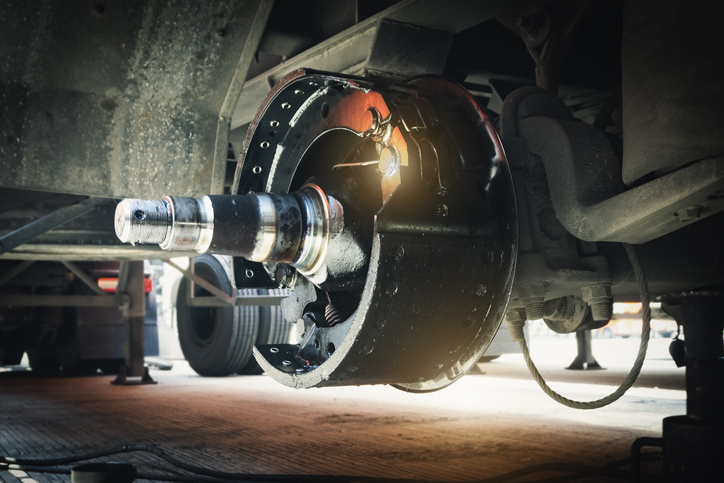
Inspect Your Braking System Regularly
Routine maintenance is a key part of Brake safety Nepal, particularly for drivers who frequently travel through mountainous regions.
Before long trips, inspect:
-
Brake pads.
-
Brake discs.
-
Brake fluid.
-
Brake hoses.
-
Brake pedal response.
Replace worn brake components before they affect vehicle safety.
Check Tire Condition
Reliable tires work together with the braking system to provide maximum grip on downhill roads.
Inspect your tires for:
-
Proper tread depth.
-
Correct tire pressure.
-
Sidewall damage.
-
Uneven wear.
-
Spare tire condition.
Well-maintained tires improve braking performance and reduce stopping distances.
Avoid Overloading Your Vehicle
Excessive weight increases braking distances and places additional stress on your braking system.
Before traveling:
-
Remove unnecessary cargo.
-
Distribute luggage evenly.
-
Stay within the vehicle's recommended load capacity.
Reducing vehicle weight improves both braking efficiency and handling.
Monitor Brake Warning Signs
Never ignore symptoms that may indicate brake problems.
Watch for:
-
Squealing or grinding noises.
-
Vibrations during braking.
-
Soft brake pedal feel.
-
Burning smells after long descents.
-
Increased stopping distance.
Early diagnosis helps prevent costly repairs and improves Brake safety Nepal.
Prepare for Mountain Weather
Weather in Nepal's mountainous regions can change rapidly, affecting road grip and visibility.
Before your journey:
-
Check weather forecasts.
-
Drive at reduced speeds during rain or fog.
-
Increase the following distance.
-
Keep headlights on in poor visibility.
-
Avoid sudden steering or braking.
Adapting to road conditions helps maintain control throughout your trip.
For more automotive news, expert maintenance advice, and practical driving tips from across Asia, visit AsiaCarGroup.
Descend Nepal's Hills with Confidence
Following proper Brake safety Nepal practices helps protect your vehicle while improving safety on steep mountain roads. By using engine braking, maintaining your braking system, checking your tires, avoiding overloading, and adapting your driving style to changing conditions, you can enjoy Nepal's spectacular landscapes with greater confidence throughout 2026.
Share Your Thoughts
What brake safety techniques have helped you drive safely on Nepal's steep mountain roads? Share your experiences and practical tips in the comments below to help fellow motorists enjoy safer and more confident journeys throughout 2026!