
Nepal has reaffirmed its national commitment to Clean Air Nepal, recognizing air pollution as the country’s most serious environmental health crisis. According to recent findings, air pollution is responsible for approximately 26,000 premature deaths annually, reduces average life expectancy by about 3.4 years, and costs the country more than 6% of its GDP. These alarming figures highlight the urgent need for coordinated and sustained action.
Government leaders have emphasized that economic growth and environmental protection are not mutually exclusive. In fact, the long-term cost of inaction far outweighs the investment required to implement bold pollution control measures. The renewed focus on Clean Air Nepal demonstrates a strategic effort to protect public health while supporting sustainable development.
Understanding Nepal’s Air Pollution Crisis
The Role of PM2.5
Fine particulate matter (PM2.5) remains the primary driver of Nepal’s air pollution problem. These microscopic particles—measuring 2.5 micrometers or smaller—can bypass natural respiratory defenses and penetrate deep into the lungs and bloodstream. Prolonged exposure increases the risk of respiratory diseases, strokes, ischemic heart disease, lung cancer, and other chronic illnesses.
Air pollution in Nepal is responsible for a large share of major health conditions. It contributes significantly to chronic obstructive pulmonary disease, cardiovascular disorders, neonatal complications, and diabetes. As a result, air pollution has become the leading risk factor for death and disability in the country, surpassing malnutrition and tobacco use.
The widespread impact of PM2.5 underscores why Clean Air Nepal is not merely an environmental issue—it is a national public health priority affecting human capital, productivity, and economic resilience.
Key Areas Requiring Immediate Action
Addressing Nepal’s air pollution requires a multi-sectoral approach involving transport, industry, households, forestry, and regional cooperation.
Transport Sector Reforms
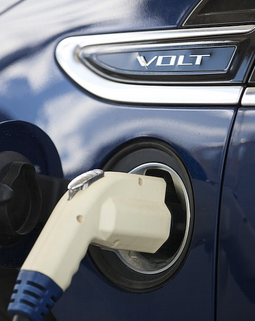
Reducing vehicle emissions is one of the top priorities under Clean Air Nepal's strategies. Nepal has already seen significant growth in electric vehicle adoption, including electric cars, buses, and motorized three-wheelers. Electrifying transport helps cut tailpipe emissions, reduce fuel costs, and improve urban air quality. For broader electric mobility trends and insights relevant to Nepal’s transport shift, check out AsiaCarNews for global and regional updates that shed light on electrification progress and innovations across markets.
Expanding EV charging infrastructure, improving public transport services, and upgrading vehicle inspection systems are crucial to making electric transport accessible and effective nationwide.
Industrial Emission Control
Industries such as brick kilns and cement factories contribute heavily to pollution levels. The adoption of cleaner fuels, modern technologies, and stricter regulatory oversight can significantly cut emissions. Industrial reforms are vital to ensuring that economic growth does not come at the expense of environmental health.
Household Energy Transition
Indoor air pollution remains a concern, particularly in rural areas where traditional cooking fuels are widely used. Promoting electric cookstoves and cleaner energy alternatives can drastically reduce both indoor and outdoor pollution levels. This transition not only supports Clean Air Nepal's goals but also improves health outcomes for vulnerable populations, especially women and children.
Forest Fire Prevention and Regional Cooperation
Forest fires contribute to seasonal spikes in air pollution. Strengthening awareness campaigns, improving early warning systems, and enhancing emergency response capacity are essential. Additionally, air pollution often crosses borders, particularly in regions like the Indo-Gangetic Plain and Himalayan Foothills. Regional cooperation is therefore critical to achieving lasting improvements.
Government’s Strategic Plan for Cleaner Air
Nepal’s Sixteenth Plan (FY 2024/2025–2028/2029) outlines a comprehensive framework to improve air quality nationwide. The plan emphasizes stronger emission standards, improved environmental monitoring, and better enforcement mechanisms.
Industrial waste management, cleaner production technologies, and improved oversight of businesses and health institutions are included in the strategy. The plan also prioritizes reducing indoor air pollution and expanding clean transportation infrastructure.
Beyond health benefits, reducing air pollution offers additional advantages. Lower emissions can help slow glacier melting in the Hindu Kush Himalaya region, safeguarding freshwater resources essential for energy and agriculture. Furthermore, green investments linked to Clean Air Nepal can generate employment opportunities and stimulate sustainable economic growth.
What steps do you believe will make the biggest impact for Clean Air Nepal—electric transport, industrial reform, or cleaner household energy? Share your thoughts in the comments, and let’s discuss how Nepal can build a healthier, more sustainable future.