
In a quiet hangar in Kathmandu, the rusting remains of old electric trolley buses tell the story of an ambitious idea launched decades ago—to electrify Nepal’s public transport. That early experiment faded, but today, Electric Vehicles Nepal is making a powerful comeback, and this time, the movement is reshaping the nation’s transport system at record speed.
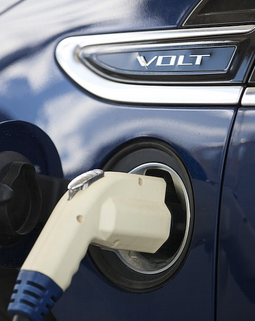
Over the past few years, Nepal has emerged as one of the fastest-growing EV markets in South Asia. More than 70% of four-wheeled passenger vehicles imported recently have been electric, reflecting a dramatic transformation in buying trends. From just a few hundred EV imports a few years ago to over 13,000 in a single fiscal year, Electric Vehicles Nepal has shifted from niche to mainstream.
Air Pollution Crisis Driving the Transition
Kathmandu is frequently ranked among the world’s most polluted cities. Fine particulate matter (PM2.5) levels often exceed international health guidelines by 10 to 20 times. Air pollution contributes to nearly one-fifth of deaths in Nepal and significantly reduces life expectancy.
Transport’s Role in Urban Smog
Transport emissions account for roughly one-quarter of fine particle pollution in the Kathmandu Valley. With around 1.75 million vehicles on the road—nearly 80% of them two-wheelers—vehicle exhaust is a major contributor to poor air quality.
Switching to Electric Vehicles Nepal is therefore more than a mobility upgrade—it’s a public health intervention. Studies indicate that if pollution levels were reduced to recommended standards, Kathmandu residents could gain nearly three additional years of life expectancy.
Hydropower Advantage
One reason Electric Vehicles Nepal are especially impactful is the country’s clean electricity supply. Nepal generates almost all of its electricity from hydropower. Since nationwide power shortages ended in 2018, electricity has become stable and widely available.
This means EVs in Nepal are powered by renewable energy rather than fossil fuels, maximizing their environmental benefits. Charging an electric vehicle in Nepal produces far fewer emissions compared to countries reliant on coal-based power.
Why Consumers Are Switching
Lower Costs and Stable Energy Prices
For many buyers, the shift toward electric vehicles in Nepal is driven by economics. Petrol prices fluctuate frequently, while electricity tariffs remain relatively stable. Running costs for EVs are estimated to be up to ten times lower than those of conventional petrol vehicles.
Government incentives, including reduced import taxes and favorable financing options, have also accelerated adoption. Banks offer competitive EV loan packages, making ownership more accessible to middle-class households.
Electric Buses and Public Transport
The electrification wave is not limited to private cars. Electric buses and minibuses are increasingly visible across Kathmandu. Sajha Yatayat, a cooperative bus company, has introduced electric buses that now operate on key city routes.
Hundreds of electric three-wheelers and minibuses also serve urban and intercity routes, particularly on narrow mountain roads where smaller electric vehicles perform efficiently. Drivers report fuel savings of up to fifteen times compared to petrol vehicles.
For deeper regional insights into EV trends and automotive transformation, readers can explore industry developments on AsiaCarNews.
Challenges Ahead
Despite rapid growth, Electric Vehicles Nepal still faces challenges. Diesel buses and heavy trucks remain major polluters. Expanding charging infrastructure, improving grid readiness, and reforming the public transport system are the necessary next steps.
Environmental experts emphasize that electrifying public transport fleets will deliver the greatest pollution reduction. Without targeting heavy diesel vehicles, the full health benefits may remain limited.
A Model for Sustainable Growth
The expansion of Electric Vehicles Nepal aligns with the government’s goal of having 90% of private vehicle sales and 60% of public passenger vehicles electric by 2030. If achieved, Nepal could become a global example of how clean energy and transport policy work together.
Cleaner air not only improves health but also strengthens economic productivity and tourism appeal. Nepal’s EV momentum shows how a developing nation can leverage renewable energy to fight pollution effectively.
Do you think Electric Vehicles Nepal can fully transform Kathmandu’s air quality, or does the country need even bolder measures? Share your thoughts in the comments — let’s discuss the road ahead for Nepal’s clean transport revolution!