
China has officially taken the lead in Nepal’s rapidly growing electric vehicle market, surpassing India and transforming the nation’s automotive landscape. In 2024, nearly 70% of electric vehicles imported into Nepal were manufactured in China, marking a significant shift in regional trade and environmental strategies. Once dominated by Indian brands, Nepal’s car market now sees Chinese automakers such as BYD, MG, and Xiaopeng taking center stage.
Electric Revolution in Nepal
Nepal’s move toward electrification is part of a broader effort to reduce carbon emissions and combat severe air pollution. A recent World Bank report revealed that air pollution is one of the leading causes of death and disability in Nepal. In response, the Nepalese government has set ambitious goals — by 2030, it aims for 90% of private cars and 60% of public four-wheel passenger vehicles to be electric.
The shift is driven by both environmental and economic factors. Electric cars are not only cleaner but also cheaper to operate compared to traditional fuel vehicles. This has made them especially attractive to Nepalese drivers seeking affordable mobility in urban and rural areas alike.
China’s Growing Influence
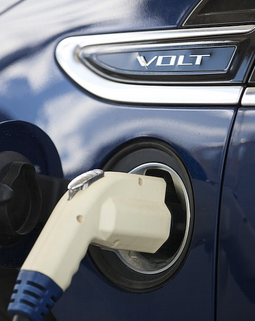
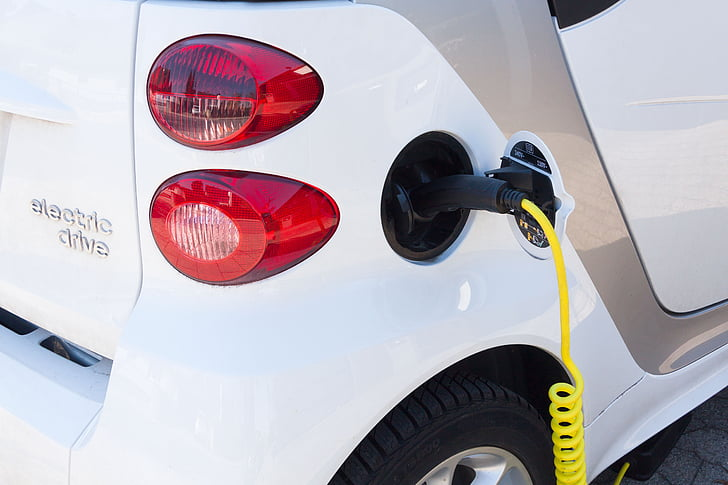
China’s growing role in Nepal’s electric mobility goes beyond car exports. The country has also invested heavily in Nepal’s charging infrastructure and public transport sector, including the deployment of electric buses. Until recently, the lack of charging stations slowed EV adoption. However, with increasing Chinese support, the number of charging points across Nepal has grown rapidly, supporting the expanding EV fleet.
In 2023, the Zhangmu Port between China and Nepal resumed full two-way freight operations, boosting imports of electric vehicles and parts. According to Nepal Customs data, the 2023–2024 fiscal year recorded 8,938 Chinese EVs, accounting for 76% of all imported vehicles.
India’s Declining Market Share
For decades, India dominated Nepal’s automotive trade due to close geographic and economic ties. However, the emergence of affordable and technologically advanced Chinese EVs has changed that equation. Indian carmakers have been slower to transition to electric mobility, losing ground to Chinese brands offering better range, features, and pricing.
This shift also reflects changing geopolitical dynamics. As China deepens its involvement in Nepal’s energy and transport sectors, India faces increasing pressure to respond and remain competitive in South Asia’s clean energy race.
Nepal’s Future on the Electric Road
Nepal’s electric vehicle boom is more than a technological change — it’s a strategic and environmental milestone. With government incentives, growing public awareness, and China’s active role in infrastructure development, Nepal is becoming a regional model for EV adoption.
The road ahead may challenge traditional trade relationships, but it also promises cleaner air, reduced fuel imports, and a more sustainable transport system. Whether India can catch up or China continues to dominate, Nepal’s electric revolution is already reshaping South Asia’s automotive future.
Conclusion:
China’s leadership in Nepal’s electric car market highlights a profound transformation in regional mobility. With nearly three-quarters of Nepal’s EV imports now coming from China, and new charging infrastructure spreading nationwide, the partnership is accelerating Nepal’s journey toward a cleaner and more energy-secure future.